Delicious local restaurant, we had the pork katsu which had a great sauce, fried rice and the chicken &egg udon soup - such a tasty broth.
Overview
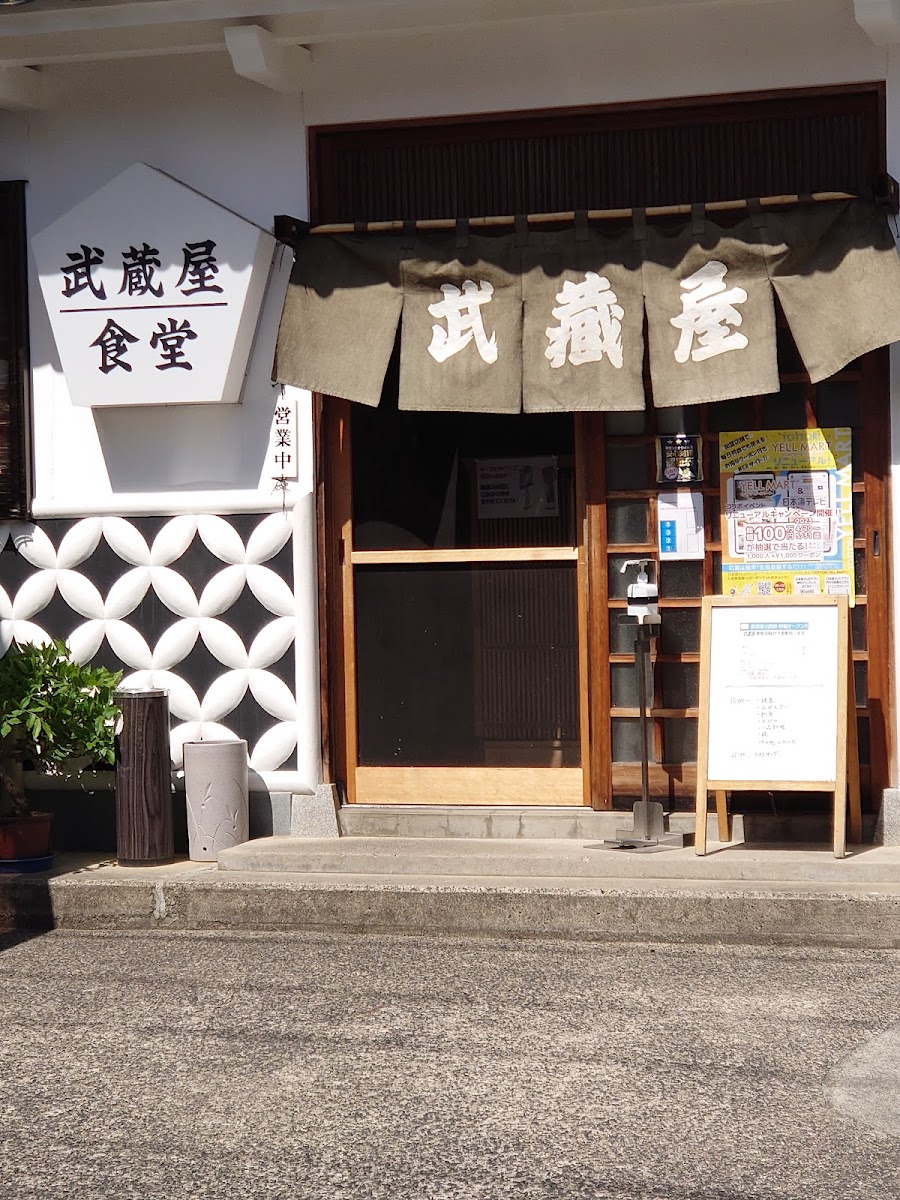
Walking into Musashiya Shokudō feels like stepping into a slice of everyday Japan that locals quietly protect. Tucked away at Additional 15 Shokuninmachi, Tottori, 680-0056, Japan, this small diner doesn’t shout for attention. It doesn’t need to. The place hums with that old-school shokudō vibe you usually only find when a restaurant has been doing things the same careful way for decades.
The first thing I noticed was the rhythm of the kitchen. Orders are called, pans clink, steam rises, and everything moves with purpose. This isn’t fast food, but it’s efficient. That balance is a hallmark of traditional Japanese diners, where timing matters almost as much as taste. I’ve eaten at similar neighborhood spots across western Japan, and Musashiya fits right into that lineage: simple menu, deep flavors, no shortcuts.
The menu itself reads like a greatest-hits list of comfort dishes. Think rice bowls layered with tender pork, grilled fish set meals, and noodles swimming in a clear, aromatic broth. When I ordered their daily teishoku, the staff explained how it changes based on what’s freshest that morning. That approach lines up with guidance from Japan’s Ministry of Agriculture, which consistently highlights seasonality as a pillar of Japanese home-style cooking. You can taste it here. The miso soup had a clean, rounded depth that comes from properly made dashi, not powder. From experience, that means kombu is soaked slowly in cold water, then gently heated before bonito flakes are added and strained. It’s a small process, but it separates good from forgettable.
What really stands out is how Musashiya Shokudō treats rice. Many diners overlook it, but in Japan, rice quality is non-negotiable. The owner once mentioned, while refilling my tea, that they rinse the rice multiple times until the water runs clear, then let it rest before cooking. That resting step allows the grains to absorb moisture evenly, resulting in rice that’s fluffy but still structured. It’s the kind of detail culinary schools in Japan drill into students, and seeing it applied here adds credibility you can feel with every bite.
Reviews from both locals and travelers often mention the portions. They’re generous without being excessive, which reflects a broader trend in regional diners outside Tokyo. A 2023 tourism survey by the Japan National Tourism Organization noted that visitors increasingly seek authentic neighborhood eateries rather than curated dining experiences. Musashiya fits that demand naturally, without trying. It’s a place where construction workers, office staff, and curious visitors all sit side by side.
Service is friendly but relaxed. No forced smiles, just genuine attentiveness. When I hesitated over the menu, the staff recommended a grilled mackerel set, explaining it was particularly fresh that day. That kind of confidence usually comes from knowing your suppliers well, and while I can’t verify every sourcing detail, the flavor backed up the claim. The fish was crisp on the outside, juicy inside, and clearly handled with care.
There are limits, of course. English explanations are minimal, and peak lunch hours can mean a short wait. But those aren’t flaws so much as signs that the restaurant prioritizes its regular flow over polishing for outsiders. If anything, that makes the experience feel more trustworthy.
Musashiya Shokudō isn’t chasing trends or social media fame. It’s preserving a way of eating that values routine, balance, and respect for ingredients. For anyone browsing restaurant locations in Tottori or scrolling through diner reviews looking for something real, this place quietly delivers, one well-made meal at a time.
Good to know
Service options
✓ Delivery ✓ Dine-inPopular for
✓ Lunch ✓ Dinner ✓ Solo diningAccessibility
✓ Wheelchair-accessible car park ✓ Wheelchair-accessible entrance ✓ Wheelchair-accessible seatingOfferings
✓ Alcohol ✓ Beer ✓ Quick biteDining options
✓ Lunch ✓ Dinner ✓ Table serviceAmenities
✓ ToiletAtmosphere
✓ Casual ✓ QuietCrowd
✓ Tourists ✓ University studentsPlanning
✓ Accepts reservationsPayments
✓ Cash only ✓ PayPay ✓ dBarai ✓ Rakuten PayParking
✓ Free parking lot ✓ ParkingPhotos
1 / 4
Location
Reviews
- No ratings yet 328 reviews
TV番組「孤独のグルメ」にも出た「素ラーメン」が名物の老舗食堂。 うどん用の出汁のきいたスープに特徴のある麺の組み合わせで美味しいです。 牛肉のカツ丼もとても美味しく、京都の牛カツ屋さんと同じが、それより美味しいかなというレベル。それでいて値段は京都の半額くらいです! 近くを立ち寄ったらまたお邪魔したいと思います。
半素ラーメン カツ丼(牛肉) 平日10:30。一番目に入店。 鳥取駅から徒歩15分の立地。 出汁入りケチャップ餡と卵とじていない牛カツがご飯の上に鎮座したかつ丼はトマト好き歓喜の味。ソース無しで完食。こちらのメニューは二代目が考案されたとか。 名物素ラーメンは出汁と塩味の効いた二日酔いに合う旨さでした。ご馳走さまです。
昭和45年創業の老舗食堂です。鳥取元祖素ラーメンのお店として地元の人々から多くの支持を得られています。 チッチッチ、鳥取のラーメンは牛骨だけじゃないんだぜってことですね。 お店は大通りから路地に入り少し行ったところ。店舗横に駐車場があります。 注文は口頭にて。 「素ラーメン」 鰹、昆布主体のうどん出汁に中華麺を合わせたこのメニュー。甘味が前面に立ち、丸味のある味わいが印象的です。 天かすや蒲鉾が浮かぶのもうどんっぽくて面白いですね。新鮮味があります。 麺は柔めの中細麺。優しい味のスープに合うように食感を考えておられるそうです。 夜は飲めるお店っぽくなるようで、一品メニューが豊富です。ほぼ、焼き鳥屋さんって感じですね。 まだ明るい時間帯でしたが、テーブル席ではすっかり宴会気分のお客さんで賑わっていました。
牛カツ丼と素ラーメンを注文しました。 鳥取出身ですが「素ラーメン」というものは全く知らなかったです。後で知りましたが駅のお土産コーナーにも置いてあるんですね。 牛カツは薄めの牛肉をフライにしたものにトマト味のソースをかけてあるもの。正直自分はあまり好きな味ではありませんでした。 素ラーメンは中華麺をうどんだしに入れたもので、具は天かすともやし、ネギ、かまぼこ。当然あっさり味。こちらは結構おいしかったです。 ここは鳥取県産の自家製麺を使っているそうです。かなりシンプルな味付けでしたが人を惹きつけるのはこの辺りが決め手なのかもしれません。 そこまで大きくはないですが駐車場もありますので車での来店も可能です。
こちらは知る人ぞ知る素ラーメンのお店。派手さはありませんが、そのシンプルさがたまらない、心に染み渡る一杯に お店に入った瞬間、そこはまるで時間が止まったような懐かしい空間 年季の入ったテーブルや椅子、壁に貼られたメニュー 飾らない、温かい雰囲気の中で食事を楽しむことができ、このお店の雰囲気が、食事の美味しさを何倍にも引き立ててくれています。 素ラーメンまた食べに行きたい
15時以降は お酒も飲めて色んな酒の肴をたのしめます 素ラーメンハーフはスープの味が薄い おばんざい三種、おまかせ焼き鳥串は自分で好きなものを選ぶタイプじゃなく お店の人にお任せデス お気に入りは翡翠茄子と焼き鳥串肝 宿からも近くお値段も庶民的なんで また来たいと思いましたよ